


Fitness photography is a dynamic and exciting genre that showcases the dedication, strength, and physique of athletes and fitness enthusiasts. Whether you’re shooting for a fitness brand, a personal portfolio, or documenting the progress of a fitness enthusiast, capturing the essence of physical form and movement is key. This genre requires a blend of technical skill and an artistic approach to highlight the body’s contours, muscles, and movements.
In this guide, we’ll cover essential tips for photographing athletes and fitness enthusiasts, with a focus on perfecting form, showcasing movement, and using lighting to accentuate the physique.
1. Understanding the Athlete’s Form and Movement
The key to capturing compelling fitness images is understanding the subject’s movements and how their body works during exercise. Whether you’re photographing a bodybuilder lifting weights, a runner in motion, or a yoga practitioner holding a pose, it’s essential to capture the subject at their peak form.
Tip: Prioritize Proper Form
Proper form is vital in fitness photography. It’s crucial to ensure that your subject maintains the correct posture and alignment during the shoot. This not only prevents injury but also allows the body to look its best in the image. As a photographer, you should communicate with your subject and, if necessary, guide them into positions that enhance their form, especially when they are doing complex movements or poses.
For example, when photographing someone lifting weights, you should be aware of the angles that highlight their muscles and physique. A slight tilt of the head or adjusting the position of their hands can significantly impact how their muscles are emphasized.
Tip: Capture Movement
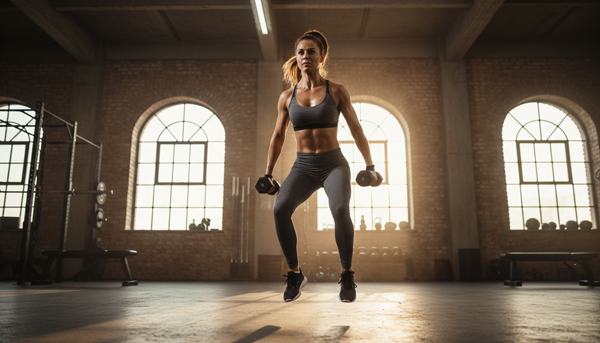
Action shots that showcase movement are a hallmark of fitness photography. Capturing an athlete in motion adds a dynamic energy to the image, bringing the photo to life. Whether it’s a high-intensity workout, a sprint, or a fluid yoga pose, freezing the motion at just the right moment can create a visually striking image.
When shooting fast movements, consider using a slightly faster shutter speed to freeze the action. Alternatively, a slower shutter speed can create a sense of motion, such as capturing the flow of a runner’s stride or the rhythm of a kettlebell swing.
Tip: Use Dynamic Angles
To emphasize the form and movement of your subject, experiment with different angles. Shooting from a lower perspective can add a sense of power and strength, while shooting from above can give a more artistic view of the body’s lines and curves. Play with angles to highlight the muscles and movement, making sure to communicate with your subject for direction and comfort.
2. Lighting Techniques to Highlight Physique
Lighting is one of the most important elements of fitness photography, as it can significantly affect how the muscles and contours of the body are portrayed. The right lighting can create dramatic shadows, highlight specific body parts, and emphasize the texture and definition of muscles.
Tip: Use Hard Lighting for Definition
Hard lighting, which creates sharp shadows and highlights, is ideal for fitness photography. This type of lighting accentuates the muscles and helps to define the subject’s physique. You can achieve hard lighting by using a single light source, such as a strobe or a directional light, positioned at a 45-degree angle to your subject. This will create shadows along the body, emphasizing muscle tone and definition.
Tip: Soft Lighting for a Softer Look
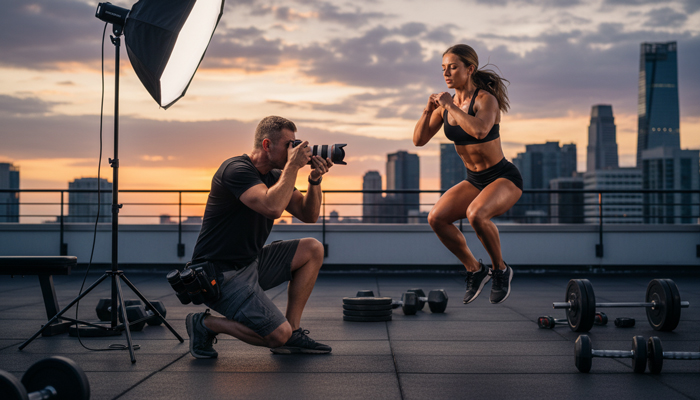
While hard lighting is great for highlighting muscles, soft lighting can be used for a more flattering, diffused look. Soft lighting is often used in portraiture but can also be effective in fitness photography if you want to minimize harsh shadows and create a more polished image. Softboxes or diffusers can help you achieve this effect. Soft lighting works well for images that focus on mood or emotion rather than sheer muscle definition.
Tip: Backlighting and Rim Lighting
Backlighting and rim lighting are powerful techniques to add drama to your fitness images. Backlighting creates a silhouette effect, which can emphasize the shape and outline of the body, while rim lighting highlights the edges of the body, adding a glowing halo around your subject. These lighting techniques can help convey strength and energy, especially in action shots.
Tip: Experiment with Light Modifiers
Light modifiers such as reflectors, diffusers, and grids can help you control the light in your fitness shoots. A reflector can bounce light back onto the subject’s body, filling in shadows and creating a more even light. Diffusers soften the light, helping to reduce harshness, while grids help to direct light in a more controlled manner, ensuring that only specific parts of the body are illuminated.
3. Composition and Framing
Composition is a fundamental aspect of photography, and in fitness photography, how you frame your subject can make a huge difference in the final image. The goal is to draw attention to the strength, movement, and muscle definition of the athlete, while also creating a visually appealing composition.
Tip: Rule of Thirds
The rule of thirds is a classic compositional guideline where the frame is divided into nine equal parts using two horizontal and two vertical lines. The idea is to place your subject or focal points along these lines or at their intersections. This creates a balanced, visually appealing image. In fitness photography, you can place the subject off-center, giving space to the movement or action in the frame.
Tip: Use Leading Lines
Leading lines are another effective compositional tool. These lines direct the viewer’s eye toward the subject, creating depth and perspective in the photo. You can use the lines of the gym, a track, or even the athlete’s body posture as leading lines to guide the viewer’s focus toward the subject’s action or muscles.
Tip: Focus on the Details
Fitness photography isn’t always about wide shots. Sometimes, focusing on the smaller details—such as hands gripping weights, feet in motion, or muscles flexing—can create powerful, intimate images. These close-up shots highlight the hard work and dedication behind the fitness journey and give a more personal feel to the shoot.
4. Posing for Athletes and Fitness Enthusiasts
Posing plays a significant role in fitness photography, as it allows the photographer to showcase the body’s shape, muscles, and movement in the most flattering way. Good posing can help your subject feel confident, and it can also highlight their best features.
Tip: Guide Your Subject
As a photographer, it’s your responsibility to guide your subject into poses that accentuate their muscles and form. Whether they are flexing or mid-movement, direct them in a way that enhances their natural body lines. For example, when photographing an athlete flexing, have them arch their back slightly to enhance the curves of their body and create more definition.
Tip: Action Poses for Energy
Fitness photography often thrives on dynamic movement, so ask your subject to perform exercises or engage in action poses that show off their strength and energy. Whether it’s lifting weights, doing push-ups, or jumping, action shots bring a sense of vitality to the images. Ensure the pose is natural and not forced, so the motion looks fluid and authentic.
Tip: Focus on Posture and Engagement
Even in still poses, posture plays an important role in fitness photography. Ensure that your subject’s body is aligned properly, and remind them to engage their muscles to create tension and definition. A relaxed body will not show off the physique as effectively as a posture that engages the core, legs, or arms.
5. Editing and Post-Processing for Fitness Photography
Post-processing is an essential part of the photography workflow. In fitness photography, subtle editing can help enhance muscle definition, highlight skin tones, and ensure the image feels polished without losing authenticity.
Tip: Adjust Contrast and Clarity
Increasing the contrast can help accentuate the shadows and highlights of the muscles, giving the image more depth. Additionally, adjusting the clarity slightly can enhance the textures of the skin and muscle definition without over-sharpening the image.
Tip: Skin Retouching
Fitness photography often requires minimal skin retouching. You may want to smooth out any blemishes, but be careful not to over-edit the skin. The goal is to maintain the natural texture of the skin while enhancing the details of the muscles and the physique.
Tip: Color Grading
Color grading can help set the tone for the shoot. For a more dramatic effect, you can use cooler tones to create a moody atmosphere, or warmer tones for a vibrant, energetic feel. Adjusting the color balance can help the overall mood of the photo align with the energy and intensity of the workout or athletic activity.
Conclusion
Fitness photography is about capturing strength, movement, and the dedication that athletes and fitness enthusiasts put into their bodies. By focusing on form, using the right lighting techniques, experimenting with dynamic compositions, and providing clear guidance on posing, you can create powerful images that highlight the athlete’s physique and energy. Fitness photography offers endless opportunities for creative expression while documenting physical achievements in a visually compelling way.
Fitness Photography: Tips for Photographing Athletes and Fitness Enthusiasts
250
