


Written by Rick Trottier – RJT Images-Light Works Studio
We’ve all heard the maxim, “It’s all in the details” as it applies to whatever enterprise we become absorbed in and seek mastery of. The problem tends to be determining what those essential details are, which ones need thoughtful attention and those that are extraneous and can be ignored. In most cases, people make poor choices managing detailsdue to lack of knowledge. But that weakness can easily be amended with a degree of serious study. However, there are times when simple vanity is the hindrance and the hubris/immaturity of wanting something “your way” can cause stumbles aplenty. When the two afore-mentioned problems combine and take root in the field of ineffectiveness, a real absence of professional understanding is the culprit. In the world of photography-modeling where social media and easily accessible tools make everyone “think” they can be “a photographer” or “a model”, obvious deficiencies stand out time and again and all that is missing is some careful attention to detail. A handy guide to some of the most important details worth considering is something that most hobbyists and dabblers would do well to embrace. Even a few “professionals” could really benefit from some technical “soul-searching”.
Photographers
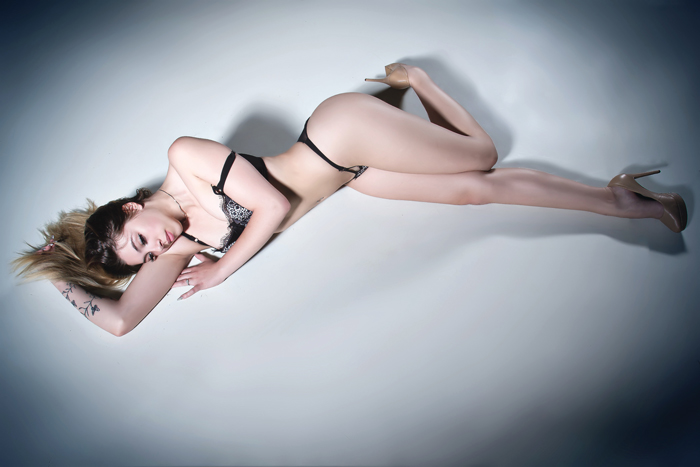
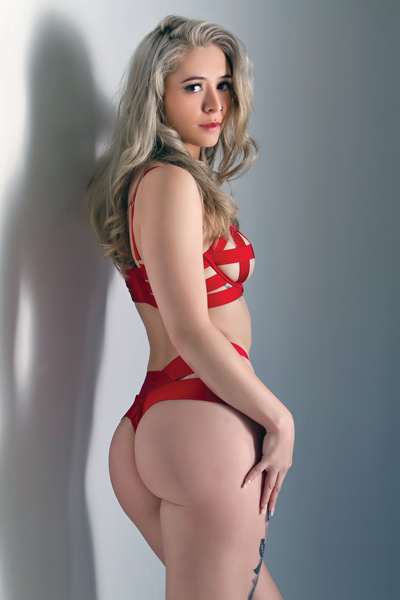
Photographers live by the understanding that lighting is everything and to a large extent that is true. Fabulously absorbing use of light has the ability to draw any audience into an image and hold them there. The problem is determiningprecisely what kind of lighting works for the situation that is presented. I see images on Instagram where a PORTION of the naturally lit picture looks fantastic, but because of the limitations of the natural radiance details in the hair and outfit of the model are lost due to low intensity of ambient light. So the question is a simple one, what is the purpose of the image? In the case of the photograph I recall, there was no obvious reason for its existence except showcasing the fabulous physique of the model. It had clearly not been created for commercial and publication purposes and was just another “social media” attention-grabbing pic. But even then, the image could have been superb had the photographer just paid attention to some details. The model was dark-haired, dark-skinned and wearing a small amount of swimwear. As such, the low light meant the image was certainly going to be atmospheric, but it was too much so. When a model’s hair disappears against the background, there is clearly a lighting problem. Adding a bit of fill light from a reflector or some type of fill flash or static light would have preserved the moodiness of the image but still have made the missing details more evident and improved the overall impact of the picture. Shadows, highlights, rim lighting, gradations of light, backlighting and all kinds of other techniques to create dynamic lighting are part of the arsenal of a great photographer, but so is having a grasp of the reasons for creating an image. Choosing the right kind of lighting source for the correct occasion is one of the best details to consider before clicking the shutter. Just “winging it” and using a type of lighting you feel a degree of comfort with could very well produce unimpressive results.
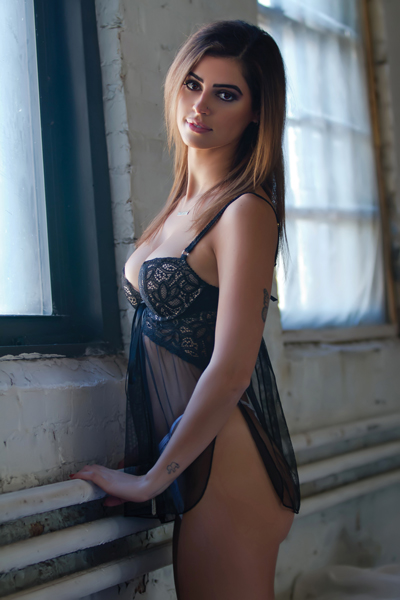
Few photographers today seem to have a grasp of the principles of composition and are more about just pasting a hot girl in a picture, showcasing her assets and calling it “art”. If an image breaks all the accepted doctrines of composition, it isn’t art, it’s a mess. Pablo Picasso may have turned the Art World upside down many times because of his ability to re-think STYLE and art PHILOSOPHY, but he always used principles of composition in his paintings. Understanding details and how they relate to the manner in which a photograph is composed is nearly as important as the quality of the lighting in an image. I’ve seen images with brilliant lighting fall flat on their faces because they do not apply some time-honored artistic concepts. The lines of any image, whether it be a painting, photograph, mosaic or etching must create a harmonious flow and be balanced in several ways in regards to the subject and the background of the picture. The eye of the viewer must enter the composition at a specific point and exit at another point, moving sinuously and easily through the pose of the subject.
